













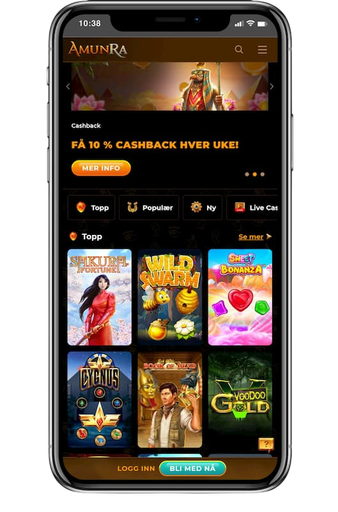
Amunra Casino App In Italy

Practical 2026 Overview of Access, Phone Use, Payments, Controls, and Support for Adult Users in Italy.

Fortune Gems 2 Slot

Table of Contents

  • The Dog House Megaways Slot
  • Lucky Joker 10 Extra Gifts Slot
  • Sword of Ares Slot
  • Floating Dragon Hold & Spin Slot
  • Leprechaun Riches Slot
  • Fruit Cocktail Slot
  • The Dog House Megaways Slot
  • Sword of Ares Slot
  • Fruit Million Slot
  • The Dog House Megaways Slot
  • Big Fisherman Slot
  • Big Fisherman Slot
  • Seven Books Unlimited Slot
  • Amunra Casino Fortune Slot
  • Sword of Ares Slot
  • Floating Dragon Hold & Spin Slot
  • 9 Mad Hats Slot
  • Floating Dragon Hold & Spin Slot
  • Big Bass Splash Slot
App 1

Why Evaluate the Mobile On the Go

When talking about playing on your phone, many only look at the first screen and decide in thirty seconds. That's too little. In 2026, it's advisable to judge a mobile platform while you're usa: profile opening, navigation, history, balance, and pause tools. Imagine having a break before going out. If you can't immediately find the basic functions at that moment, the impression becomes colder even if the interface looks modern.

Another thing matters more than it seems: the rhythm. On a small screen, it's not enough for everything to be visible; each step needs a natural order. Usually, adult users form an idea after a few simple operations, not after a promotional photo. They open the account, check personal details, look for limits, see where support and cashier are. If these steps flow smoothly, the rating increases. If the path is broken, the effort is felt immediately.

Install and Open Without Rushing

The most common temptation is this: download, open, and immediately click on the first useful button. However, the initial phase is where it pays to slow down. Imagine you're on the sofa, phone in hand, notifications coming in from other apps, and eager to try everything. In that context, it's easy to skip a permission, close an important request, or confuse an access step with a simple confirmation. It's better to take a short but orderly tour: opening, verifying credentials, and checking menus.

First Access and Basic Checks

After the first login, the most useful thing is not to immediately look for a game. It's to understand the personal panel. Where are the documents? Where are the limits set? In which area does the history appear? These are simple questions, but they make a difference right away.

Imagine a user entering a train for the first time, between stops. If they open their profile and immediately find the balance, history, notifications, and assistance section, they'll get oriented in a few minutes. If, instead, they have to guess every step, the session starts with a sense of friction that carries over.

Managing Your Account on a Small Screen

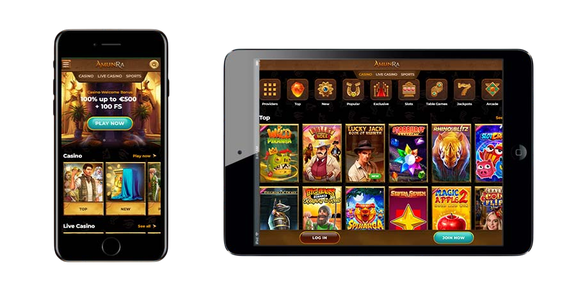
On a phone, every detail weighs more. A poorly hidden menu, a section that requires too many taps, an unclear warning: these are things that are annoying on a computer but completely stop action on mobile. That's why account management should be observed like a dashboard: it must be readable, quick, and consistent across areas. Imagine wanting to change a preference or review a recent play while you're out. If it only takes a few taps, your account helps you. If you start going in circles, the problem isn't just yours.

application 2

The quality of the information shown also counts. Balance, recent movements, open requests, security settings, and personal limits should be in easily recognizable areas. Usually, the most cautious players always do the same thing: they open their profile, check the balance, see if there are any messages, and only then decide what to do. It's a small habit, but it prevents many mistakes.

Then there's the issue of continuity between short and long sessions. An adult user often logs in from their phone to check something or perform a specific operation, not to spend an hour exploring everything. If the platform understands this logic, then the account becomes more natural to use. If, on the other hand, it requires too many steps each time, it becomes tiring in the long run.

Notifications, Balance, and History Without Confusion

Notifications are only useful if they help you read your account, not if they turn it into a series of interruptions. Imagine doing a quick check during your lunch break. You want to see your balance, understand if there are any open requests, and review the last transaction. If these three things are immediate, the session remains under control. When, instead, each piece of information is separate and scattered, the phone stops being convenient and becomes tiring.

Using Amunra Casino Mobile in Daily Life

La vera domanda non è se la versione per telefono funzioni, ma se si adatti alla vita reale di chi la usa. Molti entrano dal mobile in momenti specifici: una pausa, un viaggio corto, la sera dal divano, pochi minuti prima di uscire. In questi contesti non serve un ambiente spettacolare, serve un ambiente chiaro. Immagina di voler controllare il conto alle 22:30, dopo una giornata lunga. Se il percorso è ordinato, in due minuti hai capito tutto. Se invece ogni sezione sembra fatta per trattenerti più del necessario, l'esperienza si appesantisce.

App 3

Personal discipline also comes into play here. The phone is convenient precisely because it shortens distances, but this convenience must be managed. It's advisable to enter with a simple goal: check the balance, choose only one category, set a limit, or close an ongoing session. When usage remains concrete, the mobile performs well. When you log in without knowing why, the risk is making many useless taps and losing track.

Usually, organized users build a precise routine. First, they check the available balance. Then they check for alerts, if the personal budget is still consistent, and how much time they really have. Only then do they decide whether to open a game, make a deposit, request a withdrawal, or simply close. This sequence may seem rigid, but on the phone, it's almost always the choice that avoids errors.

Imagine two people. The first opens their account five times a day, always without a plan, and ends up not even remembering what they did in the last session. The second logs in less often but with an intention: check, decide, act, and exit. After a week, the difference is noticeable, not so much in the results, but in the quality of control.

To get oriented better, a simple scheme can help:

Usage Situation

What to Do Immediately

What to Avoid

Short break

check balance and alerts

open too many sections

Evening session

define budget and duration

log in out of boredom

Quick commute

read history and notifications

confirm operations in a hurry

End of session

review movements and close

leave the account open without reason

The table doesn't replace personal judgment, but it shows an important thing: the phone works well when each access has a precise task. If that task is missing, convenience easily turns into dispersion.

Payments and Withdrawals from Mobile

Money movements are the point where a platform stops being theoretical. On the phone, everything seems faster, and precisely for this reason, it needs to be checked more carefully. Before a deposit or withdrawal request, it's advisable to carefully read the amount, selected method, profile status, and on-screen message. Imagine making a transaction while talking to someone or while walking. A few seconds of distraction are enough to choose the wrong amount or confirm too early.

Many problems arise from here: not from complex obstacles, but from haste and automatisms. For adult use, the best idea is to treat each movement as a brief administrative step. You log in, check, decide, confirm. All without rushing.

What to Check Before a Deposit

Before adding funds, it's useful to pause and look at four elements: amount, method, remaining budget, and reason for the operation. It seems like an obvious list, but it's precisely the one many skip when they're in a hurry. Imagine having just finished an unfocused session and wanting to log back in immediately. If, at that moment, you don't ask yourself why you're depositing again, the phone makes you press faster than you think. A thirty-second check changes the choice.

How to Reduce Errors in Withdrawals

For withdrawals, the same logic applies, with one difference: the profile order matters here. Correct data, ready documents, readable history, and an already verified method help avoid unnecessary steps. Imagine wanting to transfer an available sum at the end of the evening. If the account is in order, the operation flows more clearly. If details or confirmations are missing, you'll find yourself fixing everything just when you want to close.

Di solito chi usa bene il telefono anticipa questi controlli. Non aspetta il momento dell'uscita fondi per accorgersi che un dato non torna. Li sistema prima, a mente fredda, quando non c'è nessuna urgenza.

When to Stop and Review the Budget

The clearest sign that something is wrong is this: you're about to make a move and can't quite explain why. Imagine telling yourself "just this one more and then I'm done" for the third time in the same quarter-hour. This is the point where it's best to close, not insist. Reviewing the budget from your phone takes a minute, but often avoids decisions made on impulse.

Security, Limits, and Personal Breaks

Security isn't just about passwords and access. It's also about how the user stays in control of their time and money. A well-managed mobile account should allow activating limits, temporary suspensions, personal breaks, and other self-control tools without hiding them in secondary menus. Imagine realizing you're logging in too often during the week. If you can quickly find the function to slow down, the platform truly helps you.

Daily profile protection also has a very practical side. It's advisable to use strong credentials, check the devices you log in from, and always read the alerts that ask for confirmation. It seems technical, but it's really about habit. The most attentive users don't perform magic: they follow short, repeatable routines.

In 2026, this will matter even more because the phone accompanies every moment of the day. When the device is always close, the difference isn't made by the app's presence but by how you choose to use it. That's why limits and breaks aren't accessories: they are central parts of the experience.

Finally, there's the issue of time. Many check their money and forget to check the minutes. Yet, a disorganized mobile session is often recognizable precisely by the time that extends without purpose. If the account allows you to set up a clear structure, you already have a real advantage.

Documents and Identity Verification

Profile verification shouldn't be tackled at the last moment. It's better to prepare documents when you're calm, with good light and enough time to check that everything is readable. Imagine having to upload a file from your phone while you're away from home. If the photo is blurry or a detail is missing, you risk having to do it all over again. Simple but orderly preparation almost always avoids the problem.

Timeouts and Temporary Self-Exclusion

Pause tools only make sense if they are considered normal, not exceptional. Imagine a stressful week where you find yourself opening the account more out of nervousness than for leisure. At that moment, a temporary suspension can be more useful than any promise you make to yourself. It serves precisely this purpose: to create distance between impulse and action, without turning the break into a drama.

Who Can Find This Solution Useful in 2026

Una soluzione mobile come questa ha senso soprattutto per chi usa il telefono con obiettivi chiari. Non per chi vuole perdersi tra cento schermate, ma per chi apprezza accessi rapidi, controlli frequenti e sessioni ordinate. Immagina un utente che lavora tutto il giorno e apre il conto solo la sera o in piccole pause: cerca leggibilità, non spettacolo. Qui il valore si vede davvero.

It can also be convenient for those who prefer to monitor their profile more often than the game itself. Some log in mainly to check their balance, limits, history, and transaction status. For these people, the mobile experience becomes almost a personal dashboard. If the environment is well-built, this mode of use feels natural.

However, it's not the best choice for those who always start without a plan. Mobile amplifies both convenience and confusion. If used with a minimum of method, it helps a lot. If used as an automatic filler for every break, it quickly loses quality. The difference, as often happens, lies not only in the tool but in the behavior that accompanies it.

FAQ

The best way is to log in only when you have a defined purpose. Checking your balance, reviewing transactions, setting a limit, or starting a short session are clear goals. Many make the mistake of using their phone to fill every empty space. If, instead, you decide beforehand what you need to do, the time spent becomes more orderly, and the experience remains under control.

It's advisable to immediately check your personal profile, the limits section, the history, and the support area. These are the four zones that clarify whether the account is readable or not. Imagine logging in for the first time and wanting to understand everything in a few minutes. If you find these functions without too much searching, the foundation is good. If, on the other hand, you have to guess every step, it's better to stop and orient yourself before proceeding.

Because everything seems fast and immediate. On the phone, we tend to touch the screen with less attention, especially when tired or distracted. An incorrectly read amount, a hastily selected method, or an ignored message is enough to create confusion. That's why it's advisable to treat every transaction as a small operation to reread calmly before confirming.

It makes sense when you notice you're logging in too often without a real reason, or when the game becomes an automatic response to boredom or tension. A longer break helps to create distance and understand if you are still choosing or just reacting. You don't need to wait for a major incident. Often, the useful signal arrives much earlier, in the form of haste and repetition.

La soluzione più pratica è separare una cifra precisa dal resto delle spese e legarla anche a un limite di tempo. Così non ragioni solo sul denaro, ma anche sulla durata. Chi usa il telefono in modo ordinato di solito fa così: definisce una soglia, decide quanto tempo vuole restare e poi controlla se il comportamento reale coincide con quel piano. Questa doppia traccia rende tutto più leggibile.

Yes, especially if you have short but frequent logins. The history helps reconstruct what you did, when you did it, and in what order. This is helpful because on the phone, sessions can easily get mixed up. Regular checking avoids that confused feeling of having touched many sections without remembering the path well.

They usually do fewer things, but do them more clearly. They log in with a specific goal, immediately check their balance and notifications, do not confirm operations without rereading, and know when to exit. It is precisely this discipline that improves the experience. Those who treat their phone as a quick tool to be managed move better than those who open their account out of habit, without a real initial decision.